A Statement on my Goddess sculptures

Contemporary Lady of Se, based on an archaeological artifact dating to c.5000 BCE, Hungary (Marina Gimbutas’ The Language of the Goddess, p. 34)

These ancient forms are not fetishized mindless idol worship or kitsch but rather a thoughtful memory of something that was repressed—feminine and earth-centered values. There have been many attempts to destroy any evidence of this female-centered/Mother Earth-centered/nature-centered world found in the pre-patriarchal eras, (40,000-1200 BCE)

My attempt is to bring forward these works, in order to show us the brokenness of history—what was lost when patriarchal domination replaced the female and Mother Earth centered world.

Contemporary Fish Goddess

For me, these goddess figures function as aesthetic negations: they call into question the patriarchal religions and economic systems with too many bought politicians that have reduced the sacred and feminine to commodity and instrument in order to dominate. These contemporary sculptures are based on an archaic semblance, not for consolation but interruption—an insistence that what has been buried still exerts a claim on us.

I am not simply affirming the past, but critically pointing out what has been lost and devalued.  I exhibit them as a critique of current institutional attempts at modern domination of females and Mother Earth, found in our legal, religious, economic and political structures.  

Bird Goddess Vessel

These art objects become ciphers—objects that hold the contradictions between 

• Mimesis (the drive to connect with nature in a non-controlling way) and 

• Rational mastery (the modern drive to dominate and control).

These works do not show a reconciliation—they don’t smooth out this tension into something comfortable.

Their truth comes from this unresolved tension which includes 1) a protest against patriarchy and a petrified market that alienates and 2) a memorial, remembering what has been destroyed.

Contemporary Bird Goddess
Featured post

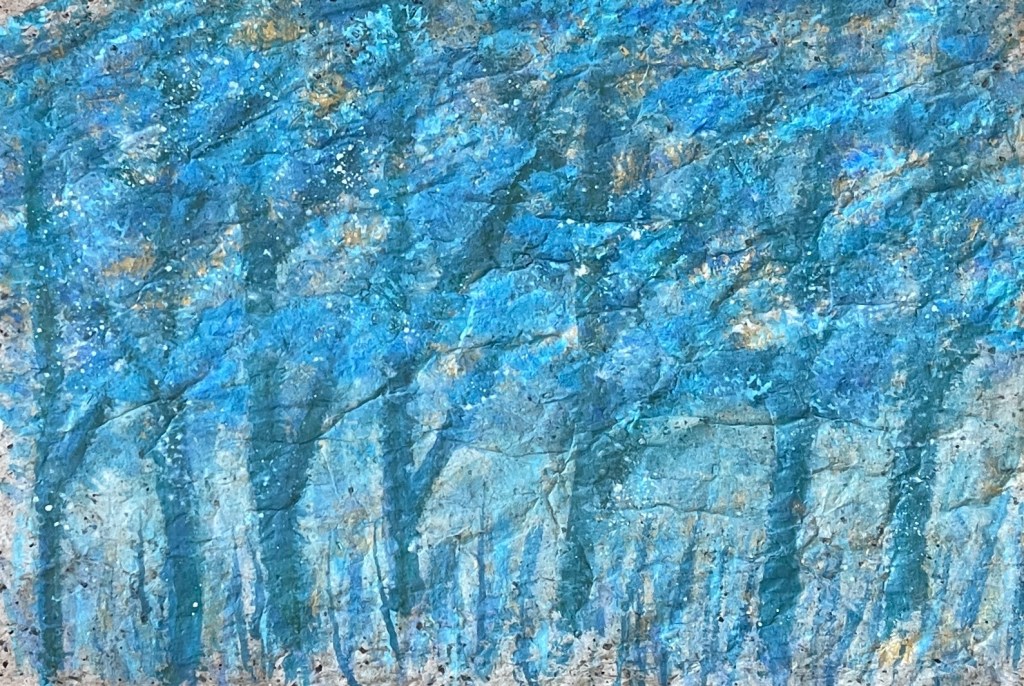
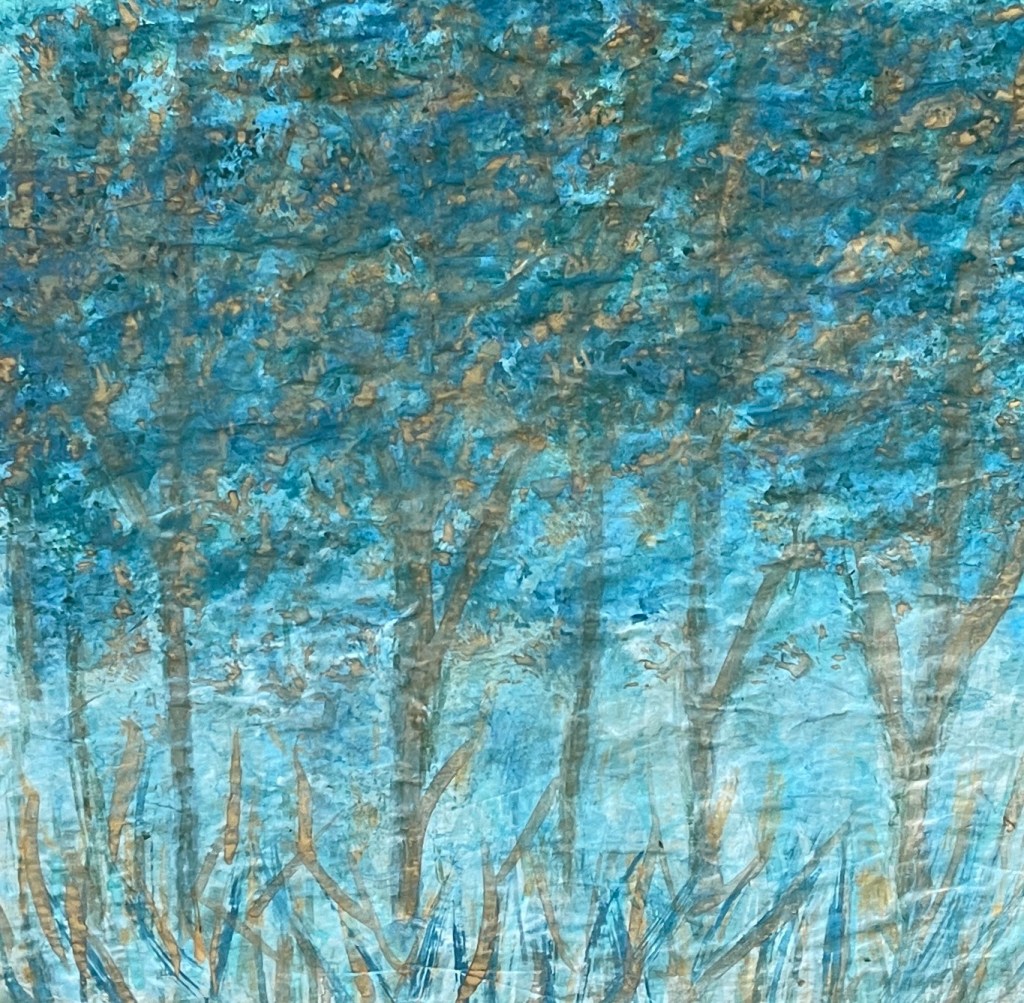
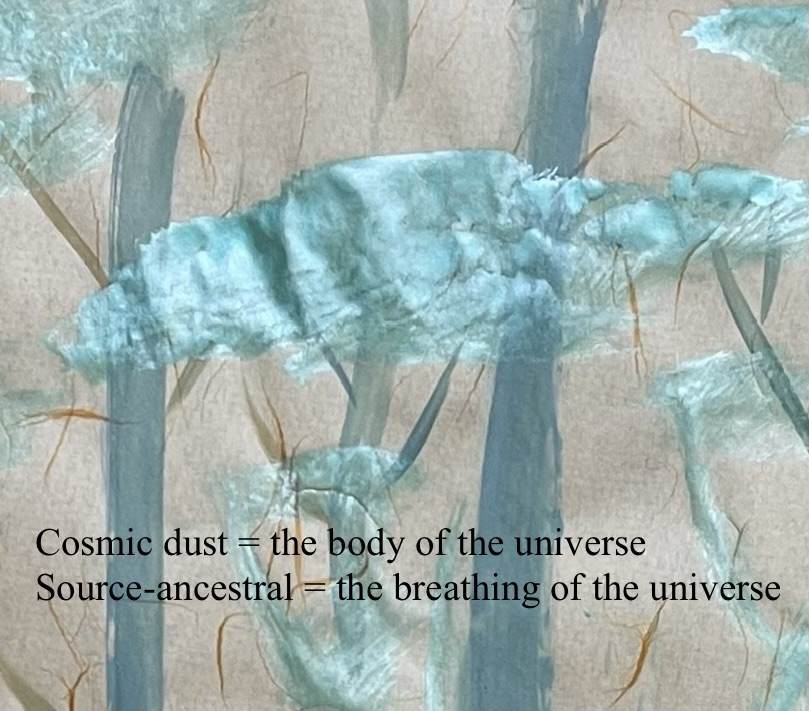
Breathing With the Cosmos: Swamp, Energy, and Returning to Mother Earth

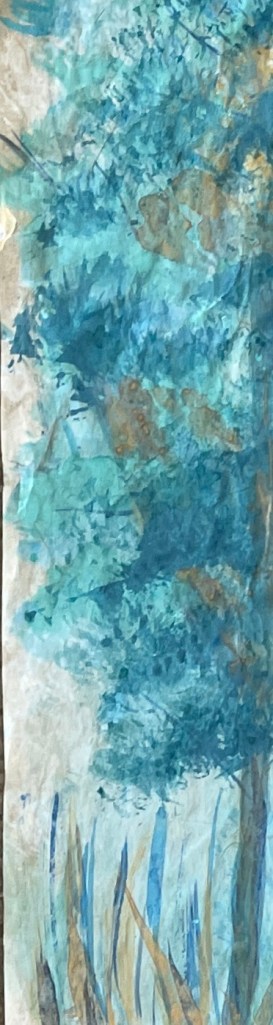
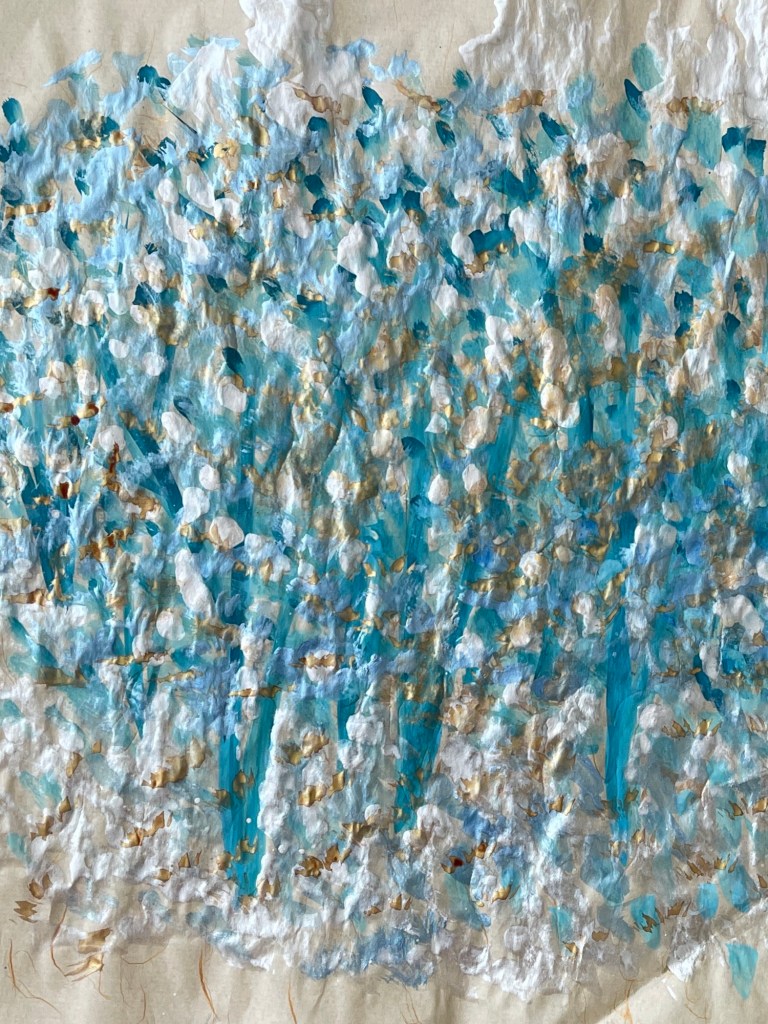
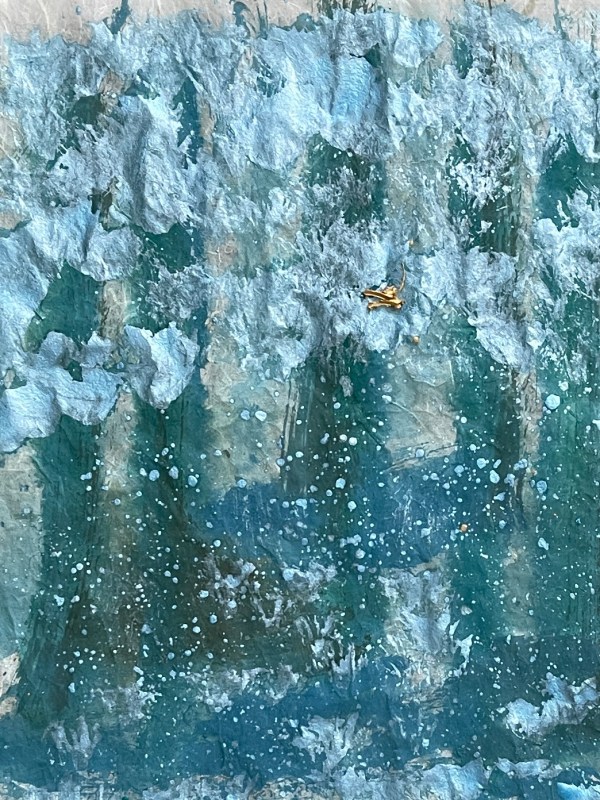
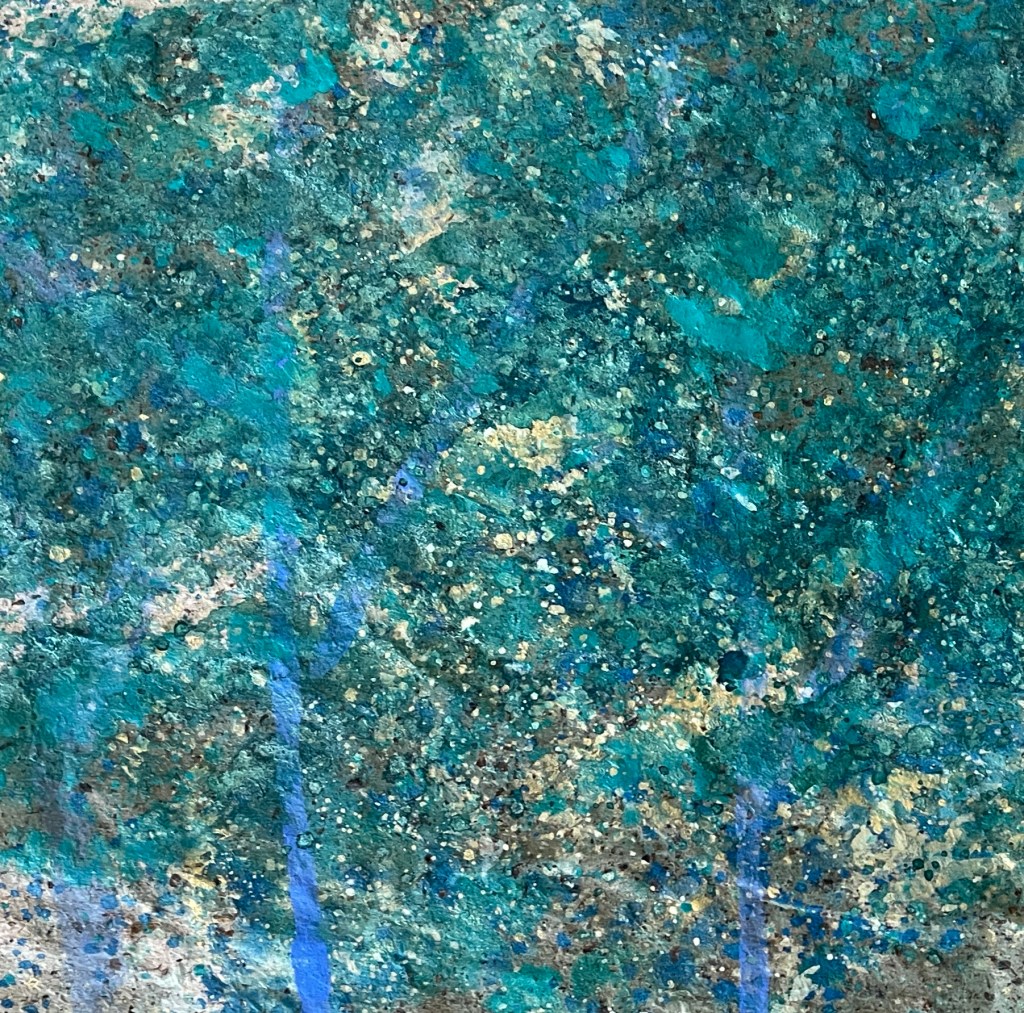
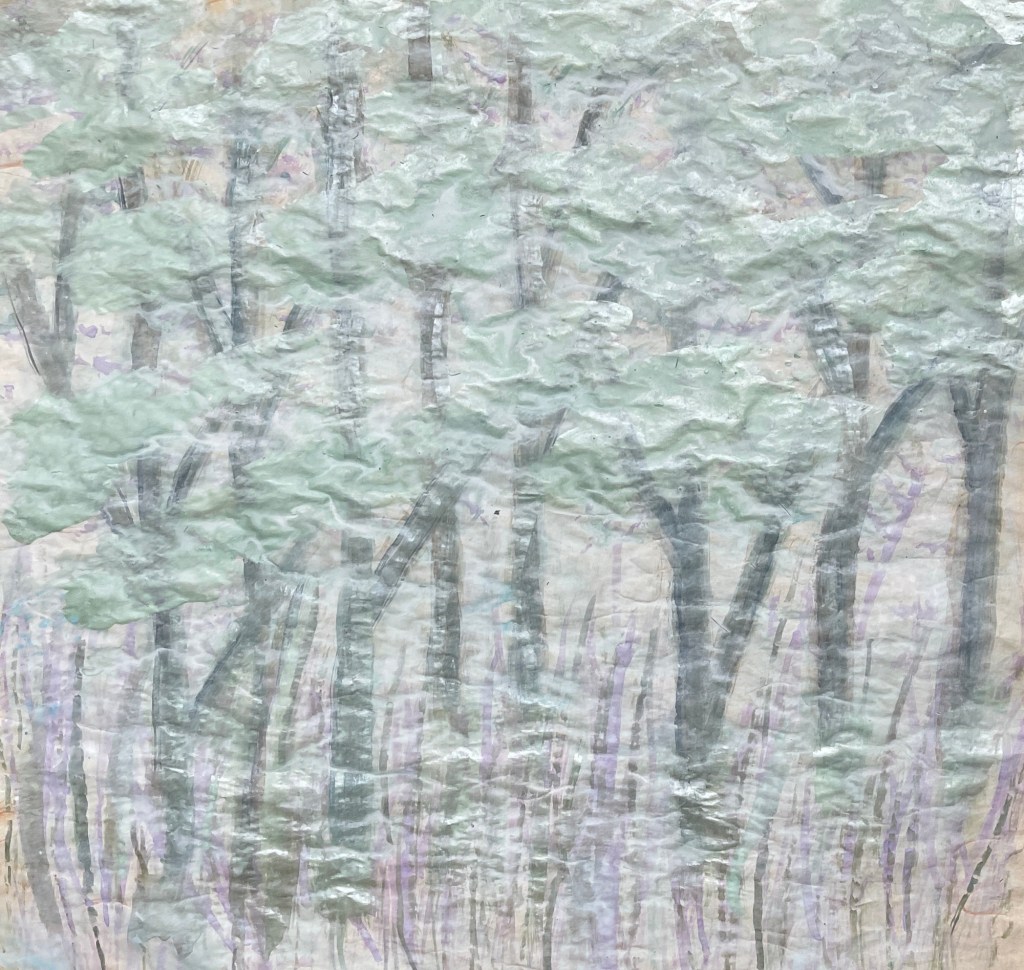
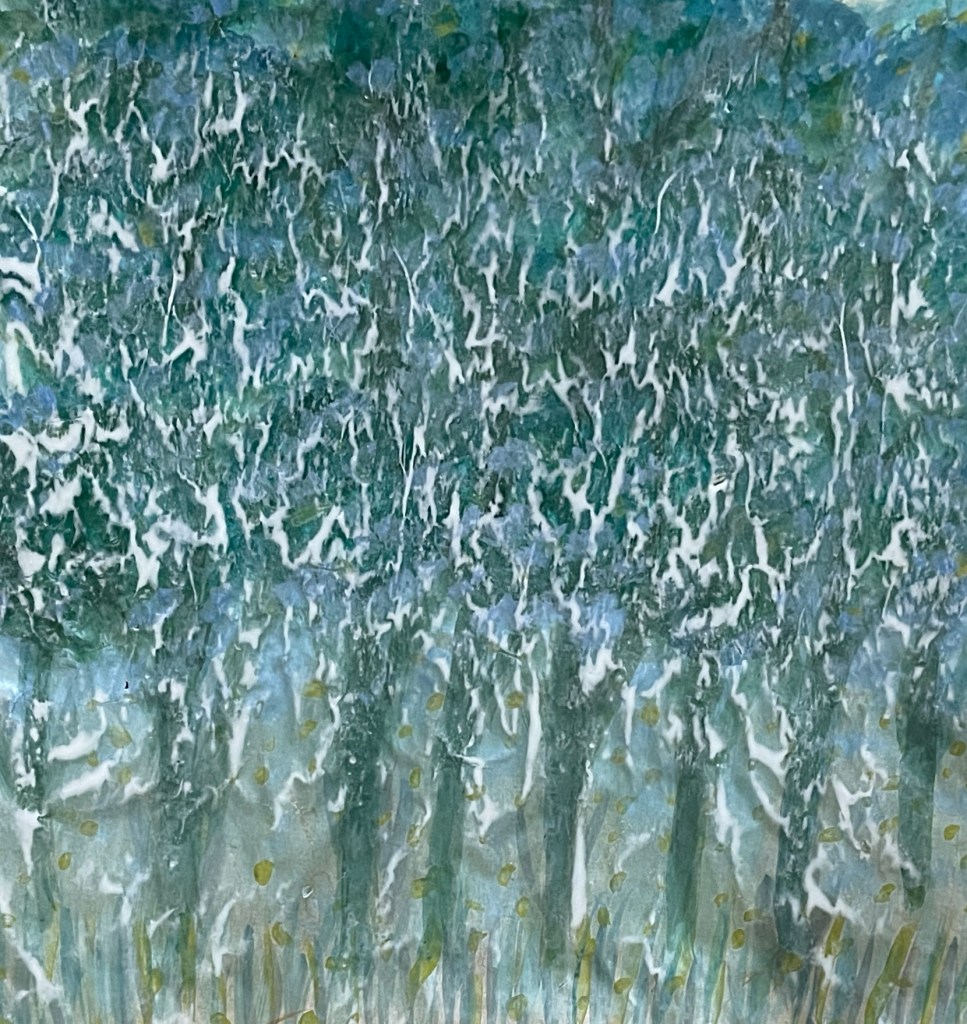
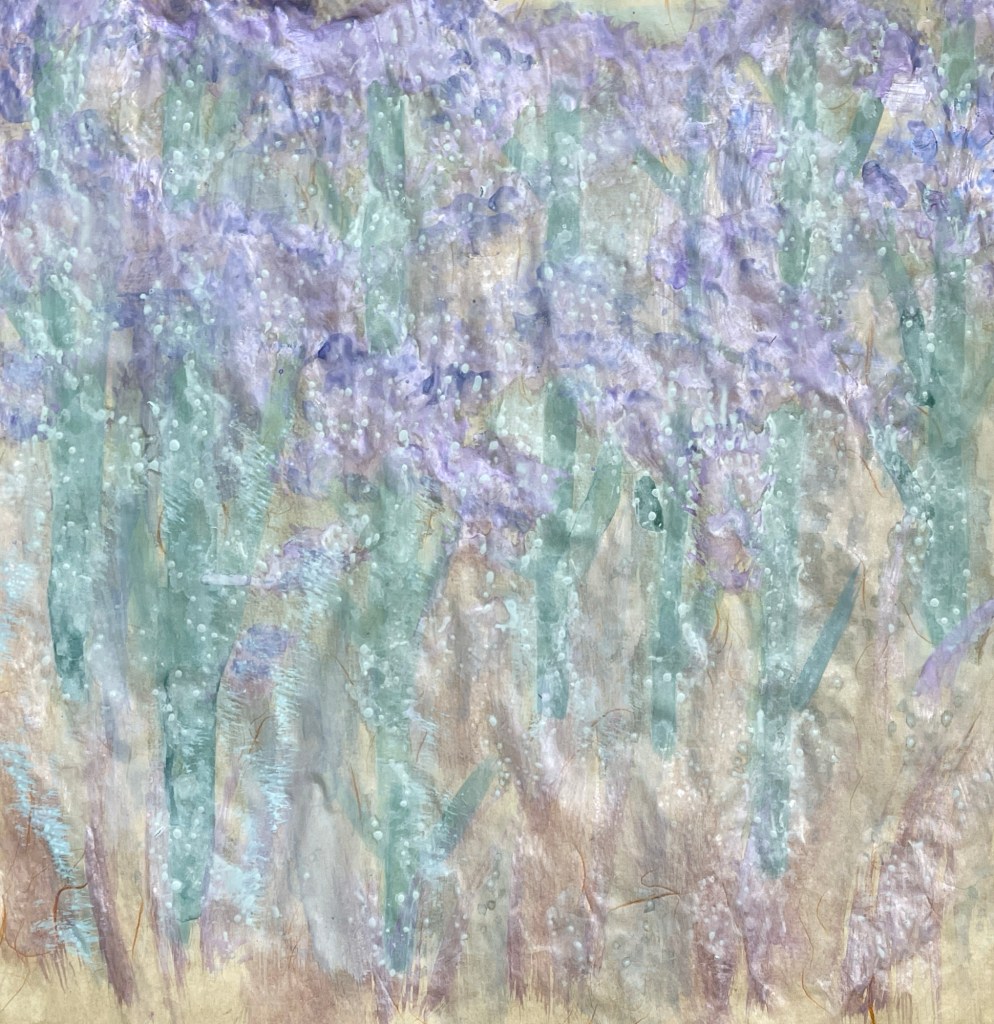
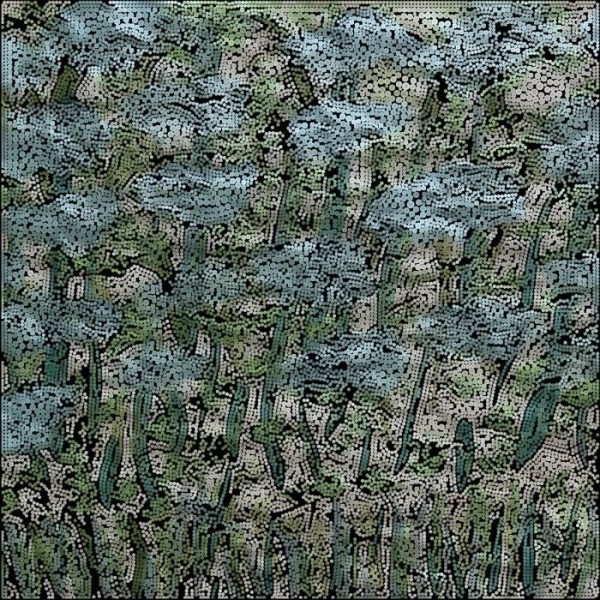
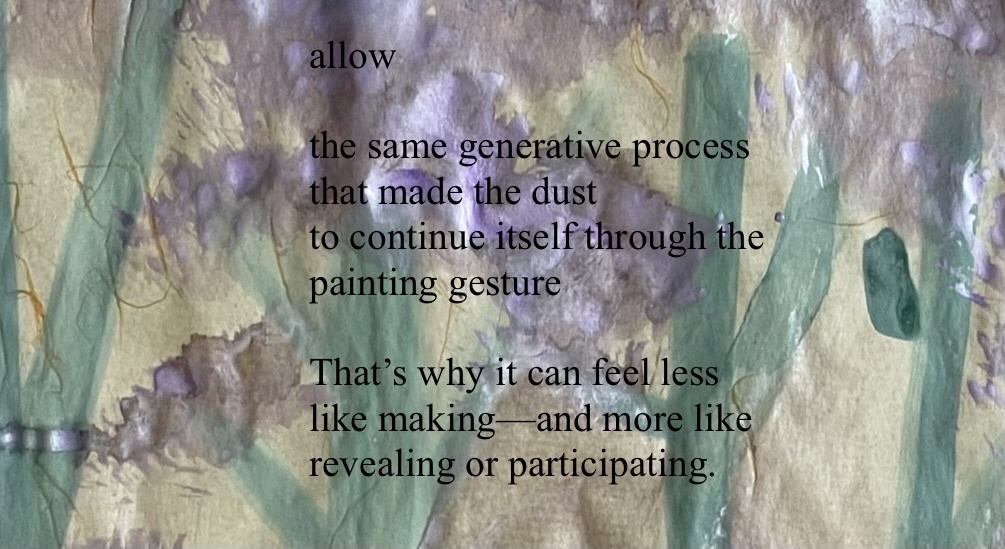
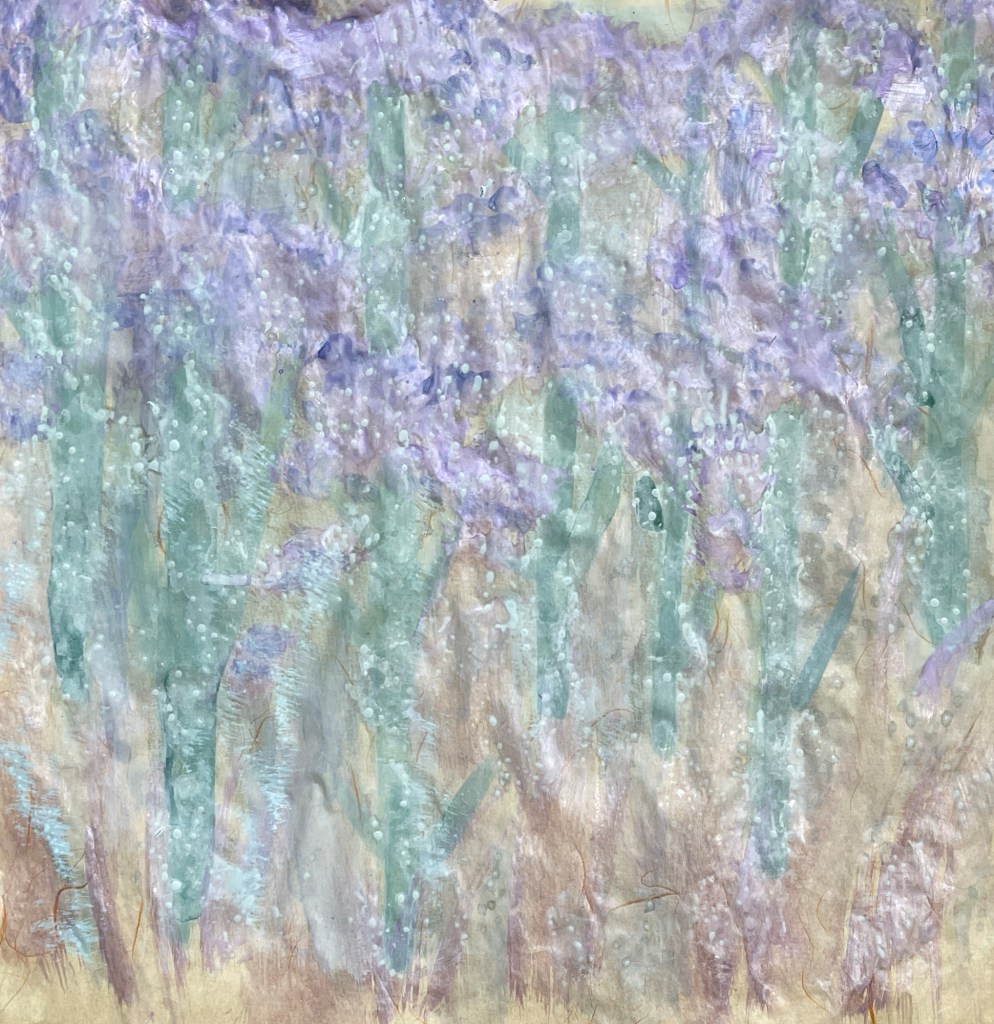
While meditating on the wetlands, my work very quickly morphed into something older and larger—a dialogue among earth processes, psychic processes, and the cosmic unfolding itself.

My practice is rooted in the modernist tradition—Expressionism, Surrealist automatism, where the unconscious is a generative force—reaching back into the ancient Goddess cultures that honors the female and Mother-Earth as the origin of life, transformation, and meaning. This recognition of the goddess is where my work breathes.

These paintings live at the intersection of Adorno’s aesthetics, Ch’an cosmology as interpreted by David Hinton, and the feminine divine.

Adorno: Revoking the Separation of Feeling and Understanding

Adorno argues that modern art attempts to undo what he calls the “fatal separation” between feeling and understanding—a division philosophy imposed for centuries. Modernism resists this split by making meaning and emotion inseparable in the very form of the artwork.

These paintings embody that principle:

—The layers of pigment aren’t decorative for quick consumption, they are the thinking.

—The gestural marks create forms from the tensions embedded in material.
—The swamp’s shifting ground becomes a metaphor for the dissolution of rigid categories and non-identity.

In This series,  immersion rather than detached contemplation, will give clarity.

These paintings and works are not solely based on observations of the swamp; rather they are offered as an immersive experience, to pull us into the cosmos. 

That’s the crux of Adorno’s aesthetic truth: meaning arises only when you allow yourself to be absorbed by the artwork’s internal contradictions and energies.

David Hinton: Ch’an Cosmology and the Breath of the World

In contrast to Adorno’s philosophy of aesthetics, which emphasizes the tensions of the society and the art, David Hinton speaks of the cosmos as a continuous unfolding—a single breath expanding and contracting across time.

Through his understanding of Ch’an Buddhism, the universe is not a collection of objects but a field of transformations. Everything arises from emptiness, manifests briefly, and dissolves back.

In these paintings:

—heat rises as qi,

—water opens into sky,

—pigments drift like cosmic breath,

—and figural hints appear like fleeting articulations of the Tao and the generative.

The swamp becomes a metaphor for the world; nothing fixed, everything in process, every boundary porous.

Feminine Divine and MotherEarth

The Goddess cultures of the Paleolithic and Neolithic period, from approximately 40,000 BCE to 1200 BCE, honored earth as a living presence.  The clay sculptures engage that tradition directly, as do the paintings in more elemental ways.

Here the feminine divine is not represented but it is embodied:

—in the curves of heat rising like breath from the original womb of earth;

—in the never ending cycles of decay and renewal;

—in the swamp as sacred matrix of the cosmos;

—in the archetypal figures that emerge and dissolve like memory from the collective unconscious.

This work is part of my ongoing reclamation of pre-patriarchal values: collaboration, reciprocity, and reverence for the Earth that sustains us.

Jung: Coniunctio, or the Merging of Opposites

These paintings enact what Jung called coniunctio: the merging of opposites into a higher unity.

• The conscious and unconscious,

• the cosmic and the earthly,

• the abstract and the figurative,

• the personal and the collective,

The forms that appear—sometimes only a shadow or gesture—are patterns surfacing from the psychic depths, from the generative. This is the soul speaking through the material.

Ecology, Earth Justice, and the Swamp

The swamp is not a picturesque landscape; it is a tell, an excavation of a political and ecological site.

It resists domestication.

It escapes the categories of “productivity” and “profit.”

It frustrates the extractive logic of patriarchy, ownership, and market values.

In honoring its processes, I am honoring an ecological ethic: nature not as resource, but as relationship.

CONCLUSION

In this series, form, breath, earth, and psyche converge.

If there is a single thread running through these works, it is this:

the Earth is still breathing, and we can learn to breathe with her.

Featured post

G-d and the Political metaphysics of non-identity

Adorno is naming the aesthetic trace of Ein Sof (Jewish mystical reference to G-d as infinity, non-identity) — but his Philosophy of Aesthetics is emptied of theology and grounded in history, economics, and art.

For Adorno this is not mysticism. It is a political metaphysics of non-identity.

Art transports not by elevating us out of the world, but by opening within the world a space that cannot be fully controlled, categorized, exploited, or owned.

This is why it is dangerous.

And why it is necessary.

The enigmaticalness of art is in its non-identity (Adorno, 1997, p. 132.)

Each viewer makes meaning. Each meaning is partial, contingent, situated. The viewer makes and gives meaning to art based on their particular experiences and knowledge. But none of those meanings is THE meaning.

There is always something: unspoken, unresolved, unfinalizable.

This is the infinite that cannot be enclosed in identity.

The openness of art is not relativism.

It is non-identity — meaning can never be fully captured.

This is not “anything goes.”

This is: meaning remains in motion, because the world remains unfinished.

Featured post

Art Journal 02/15/2026

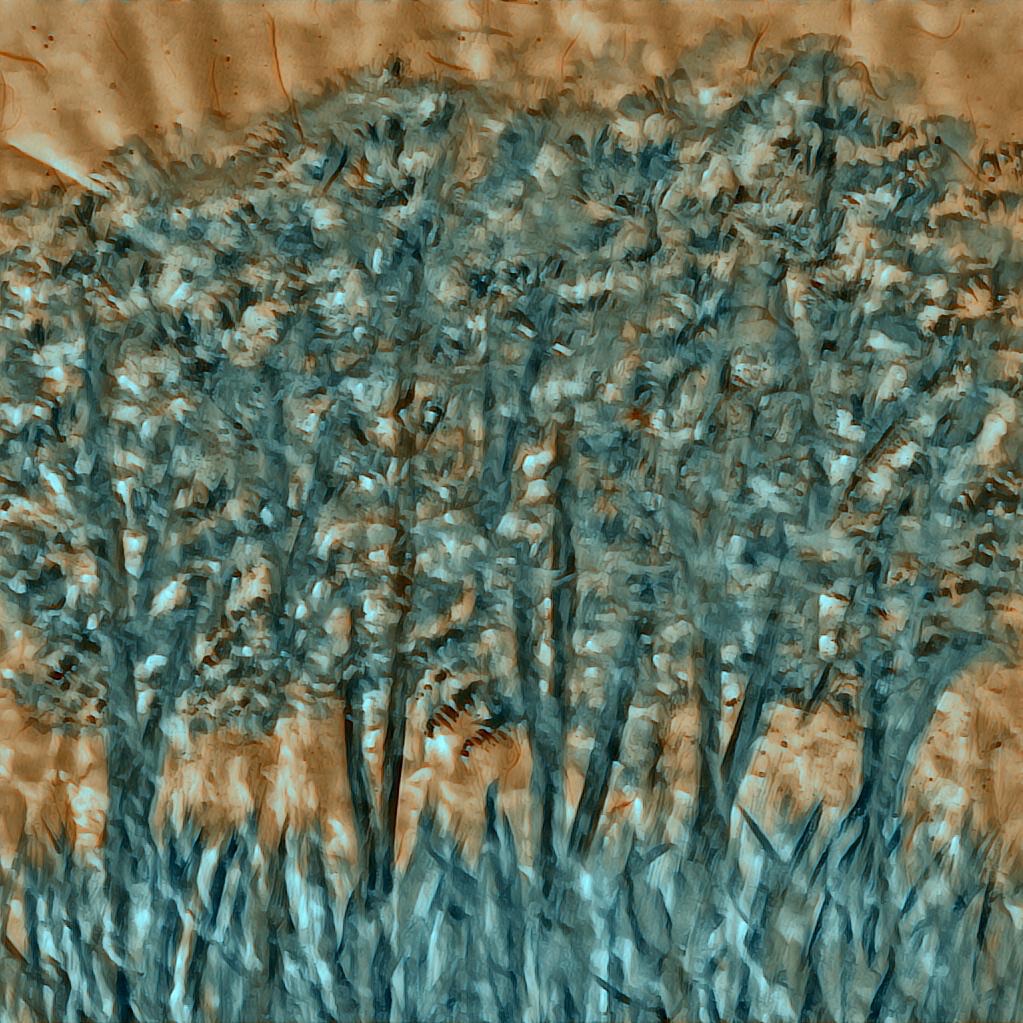
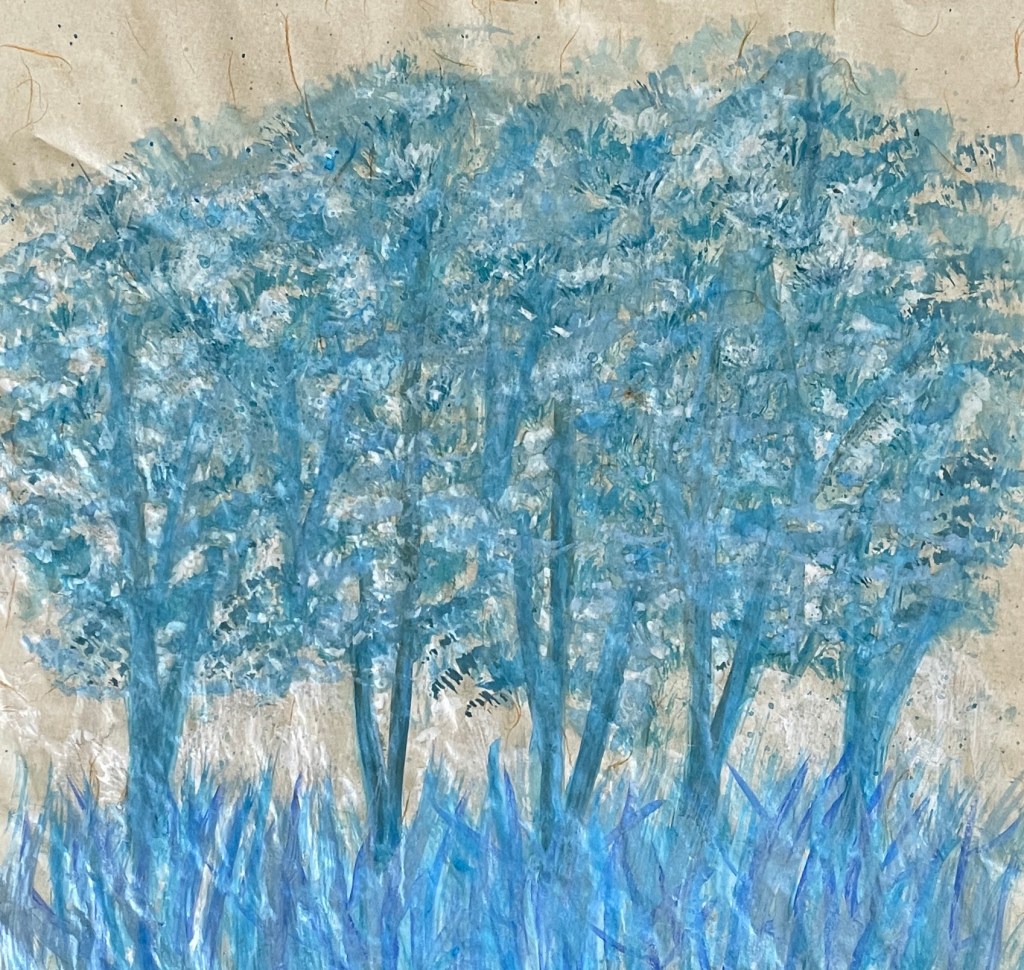
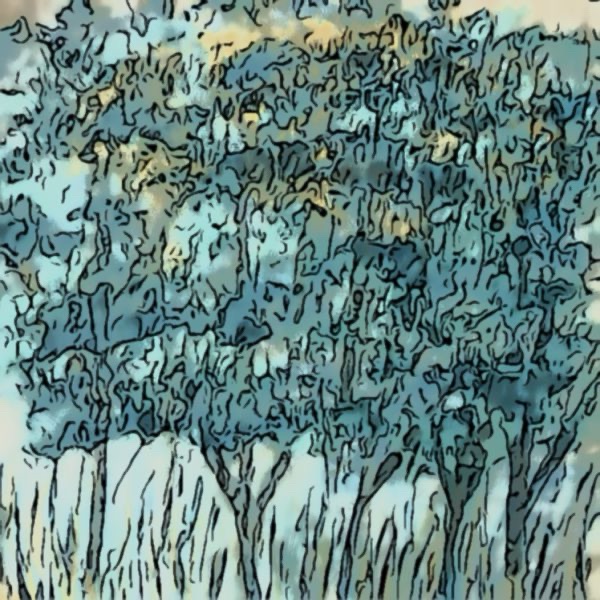
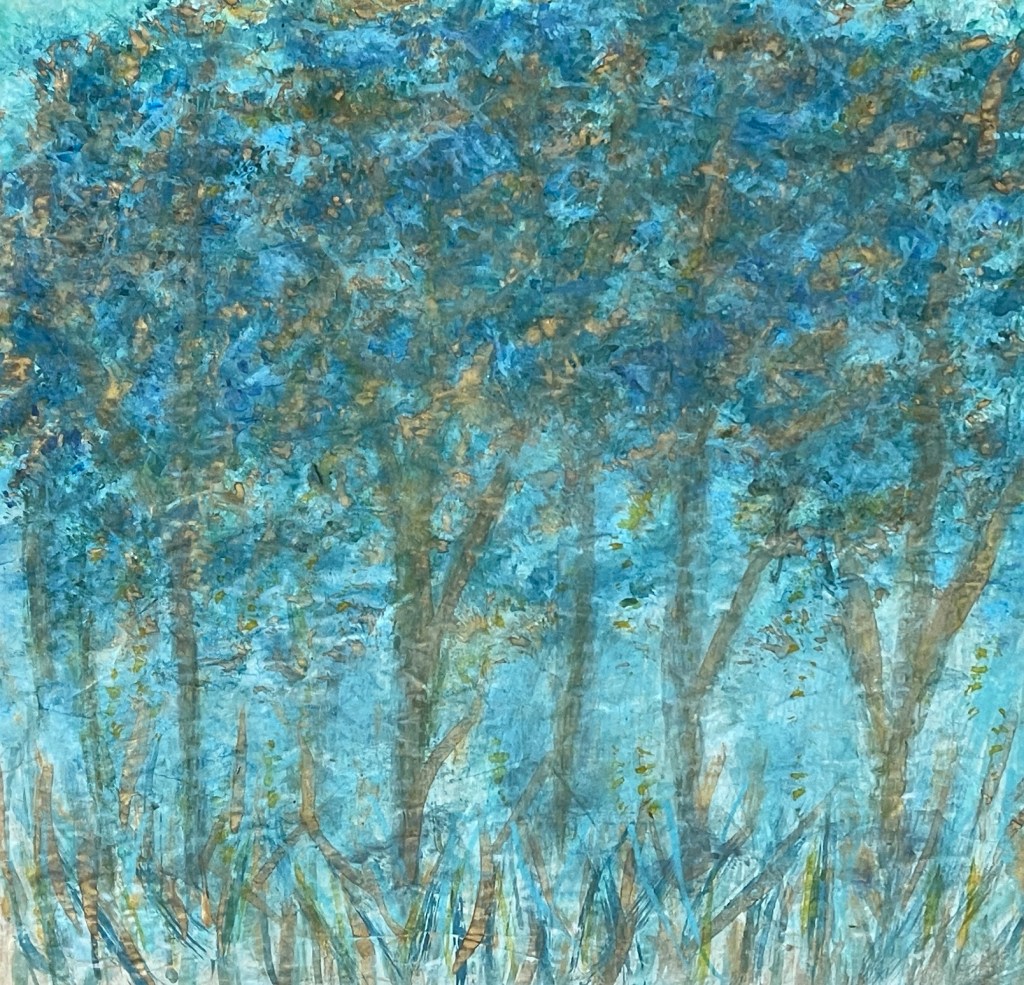
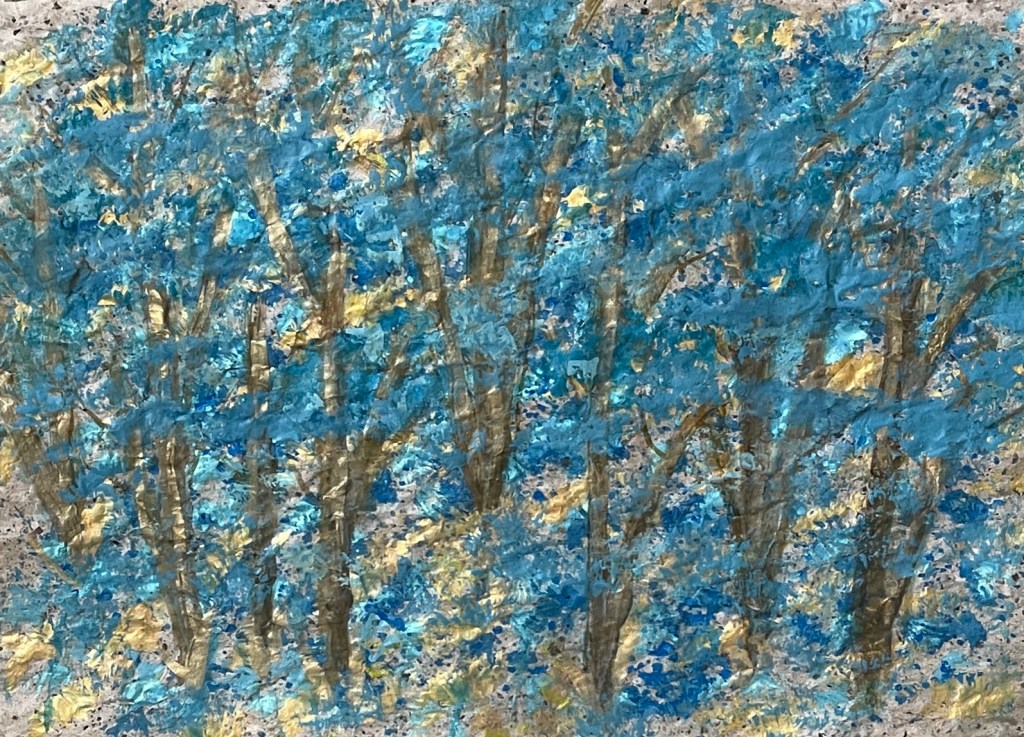
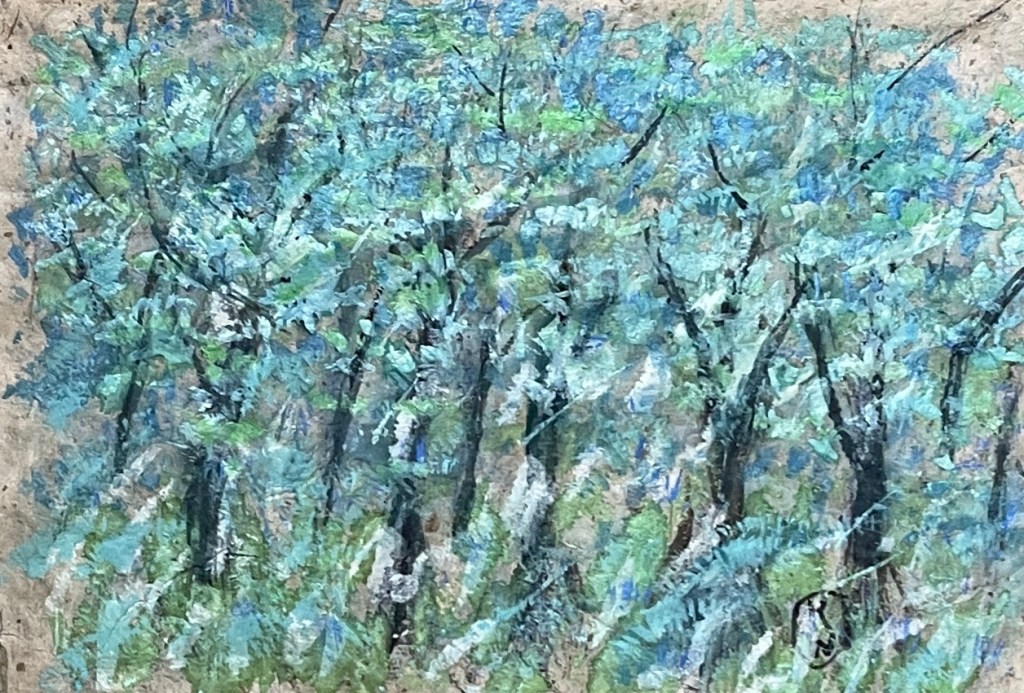
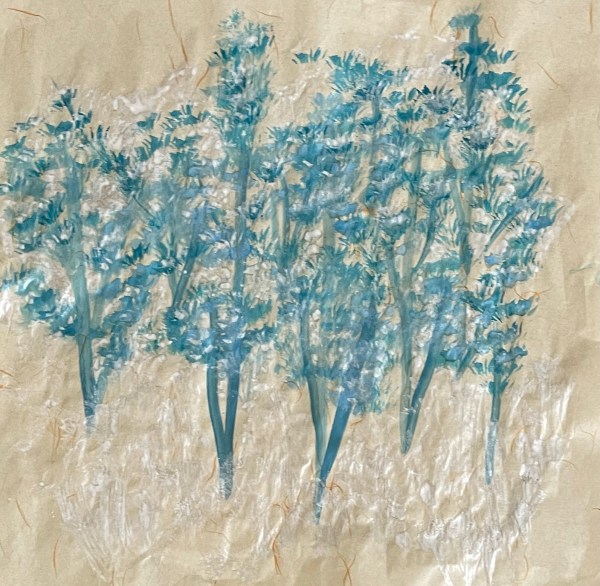
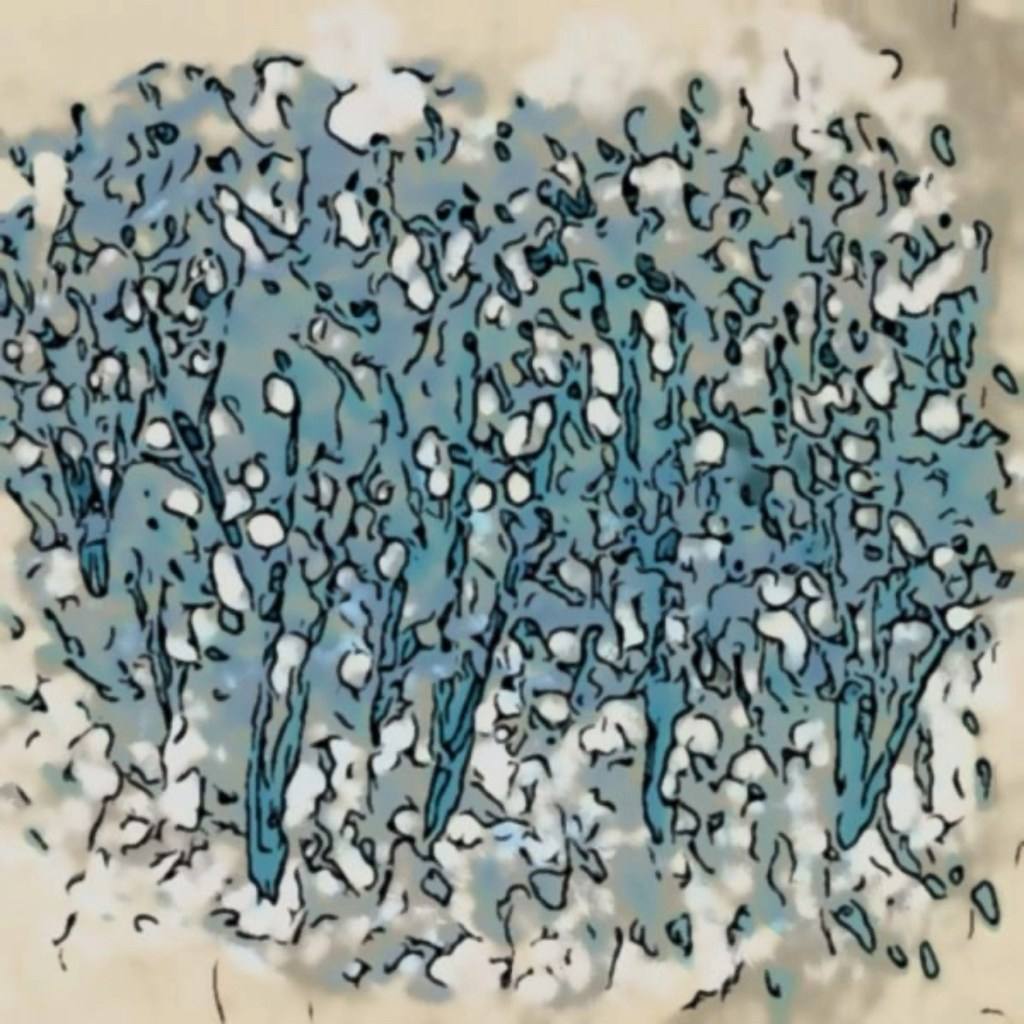
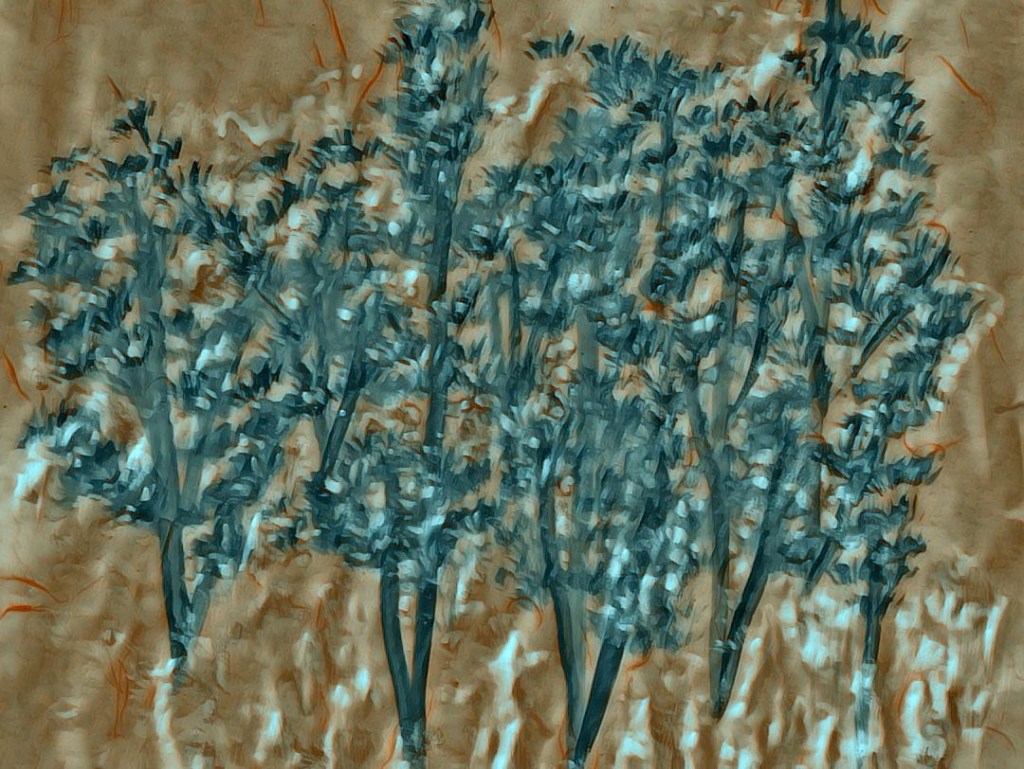
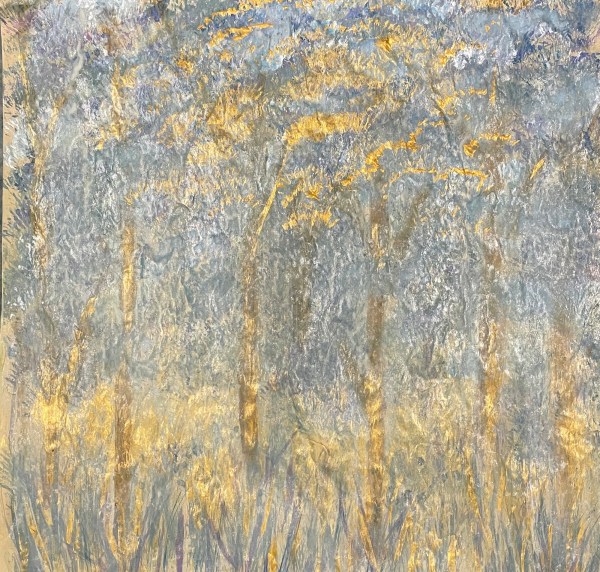
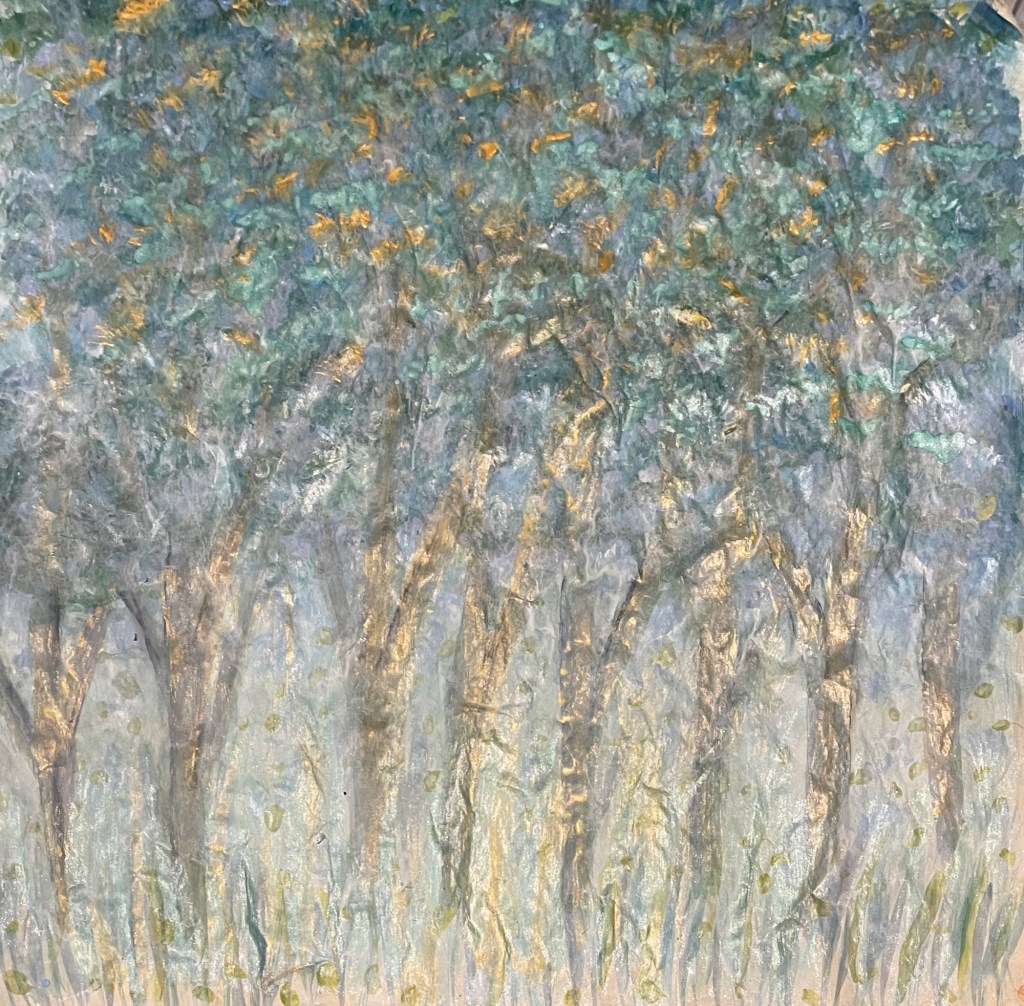
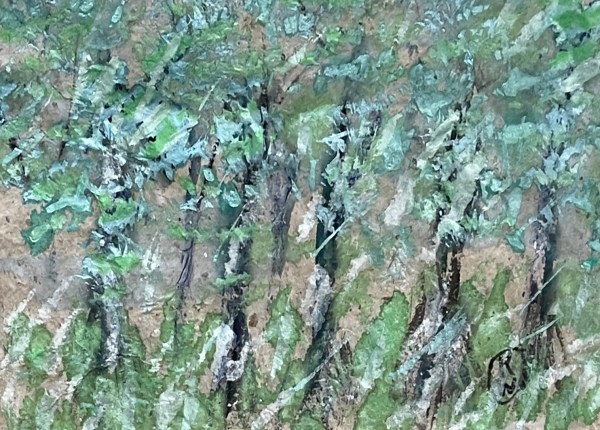
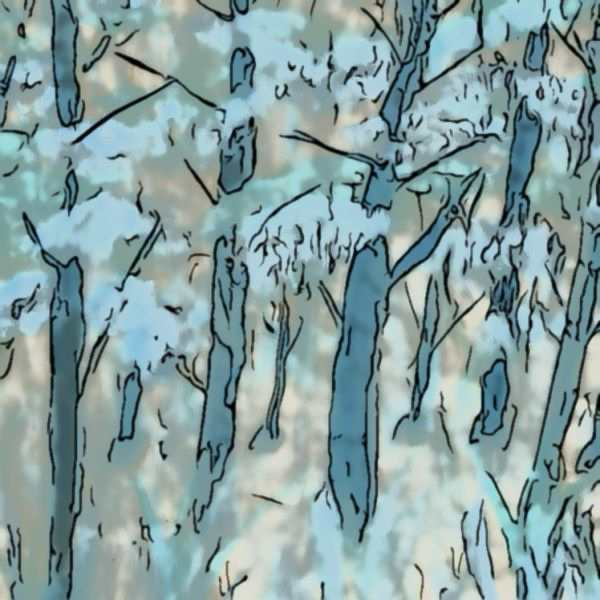
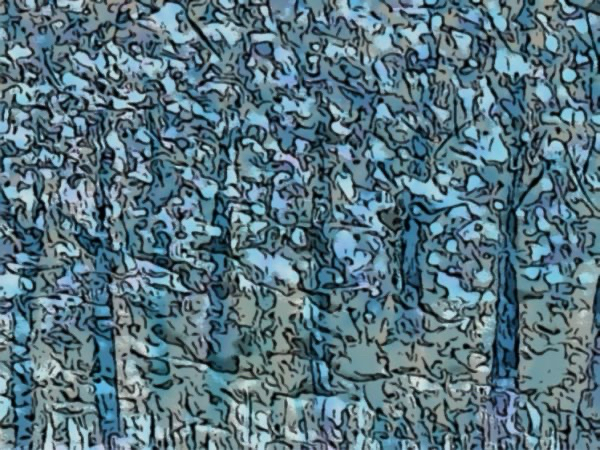
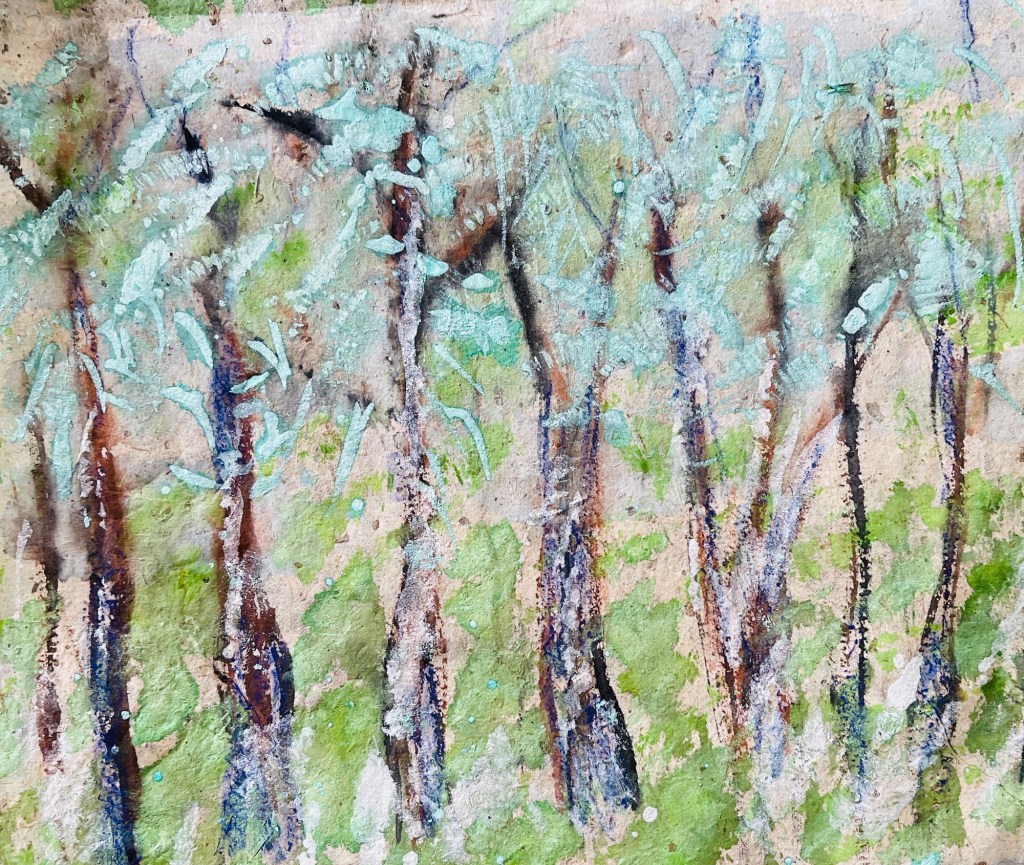
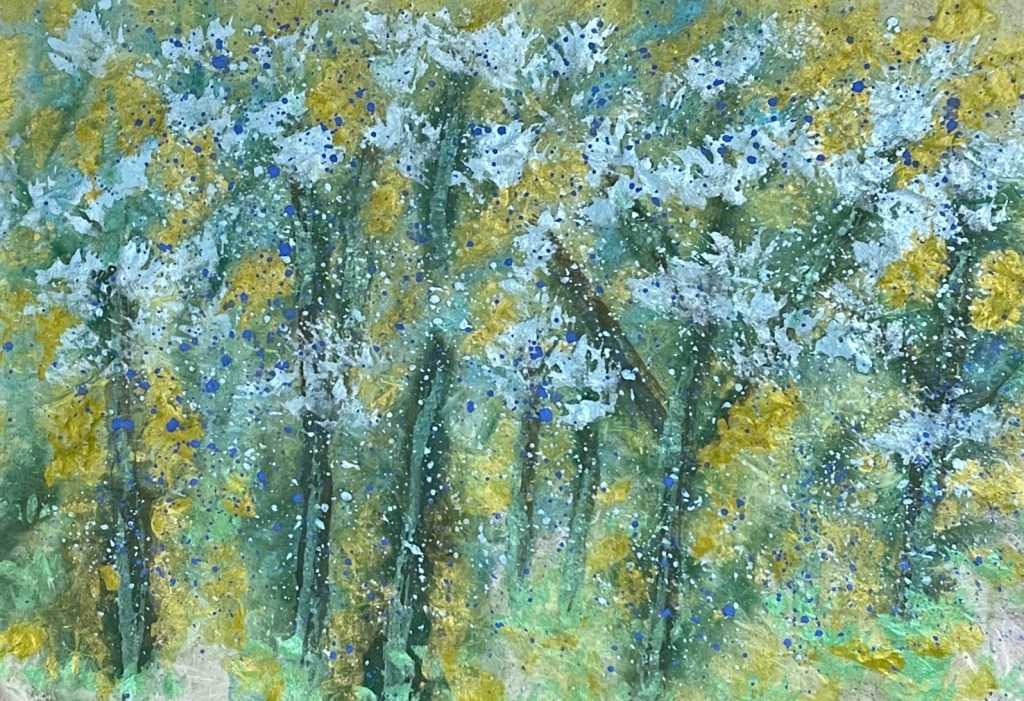
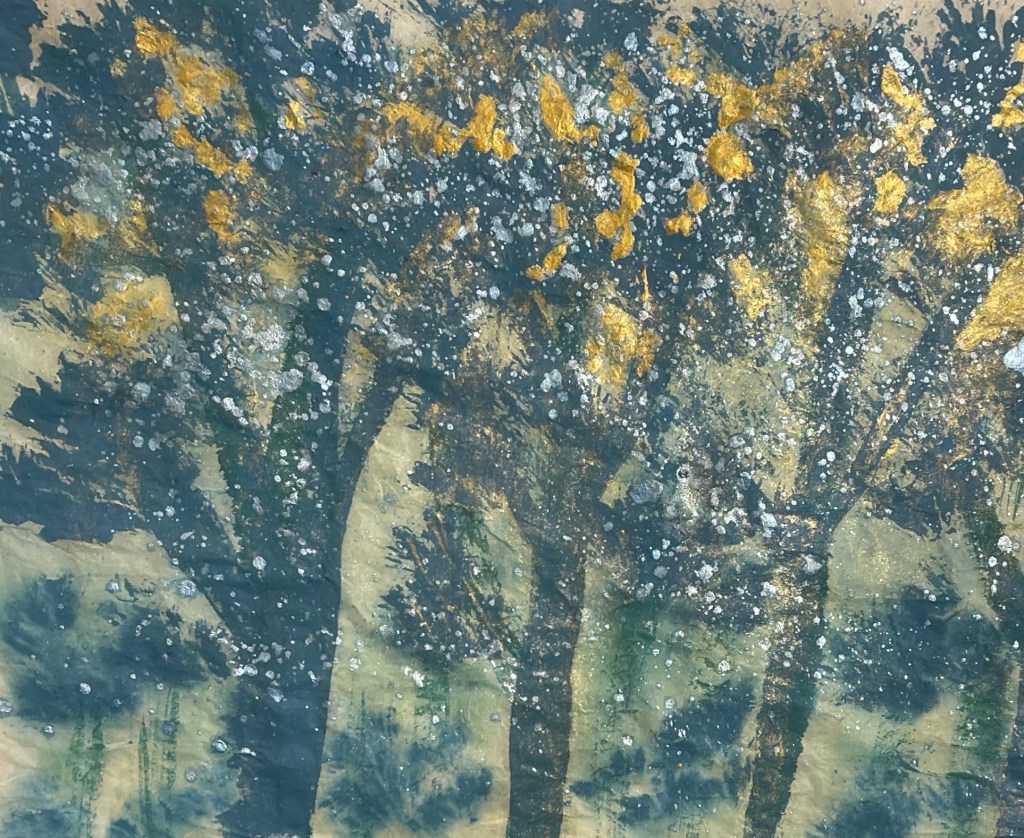
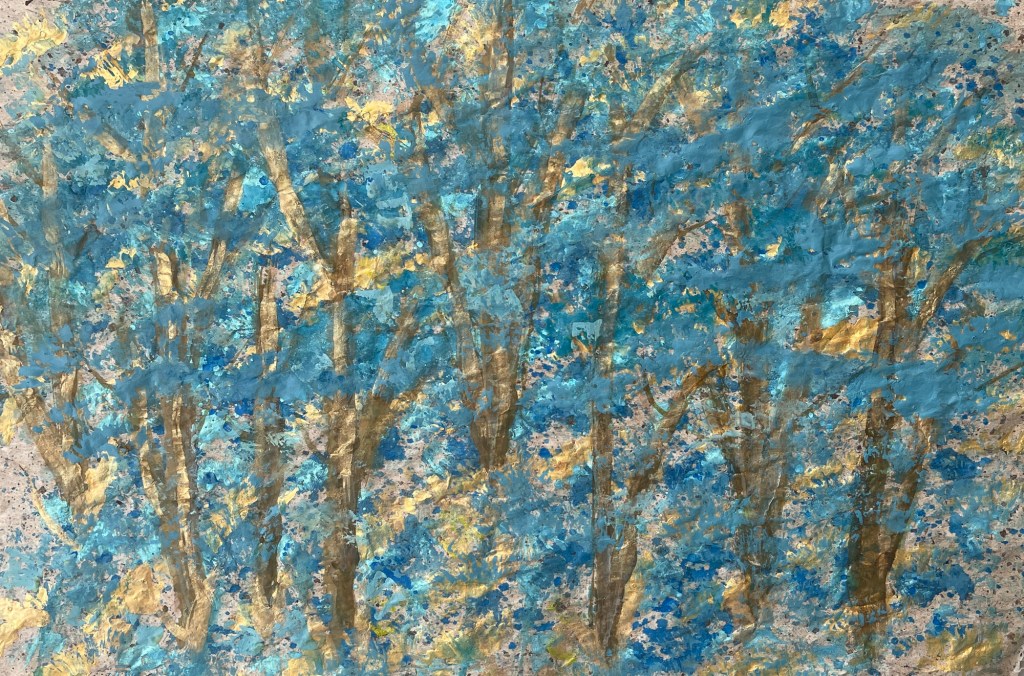
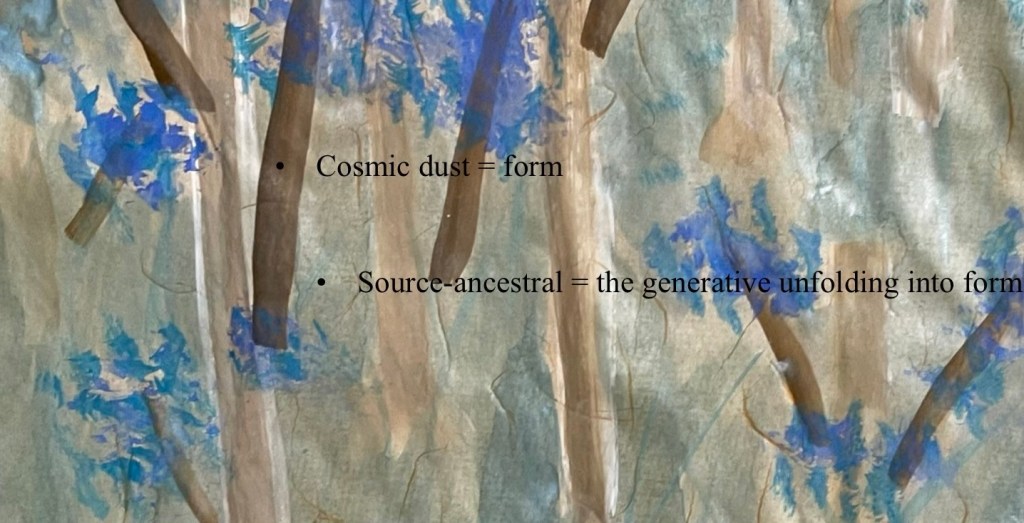
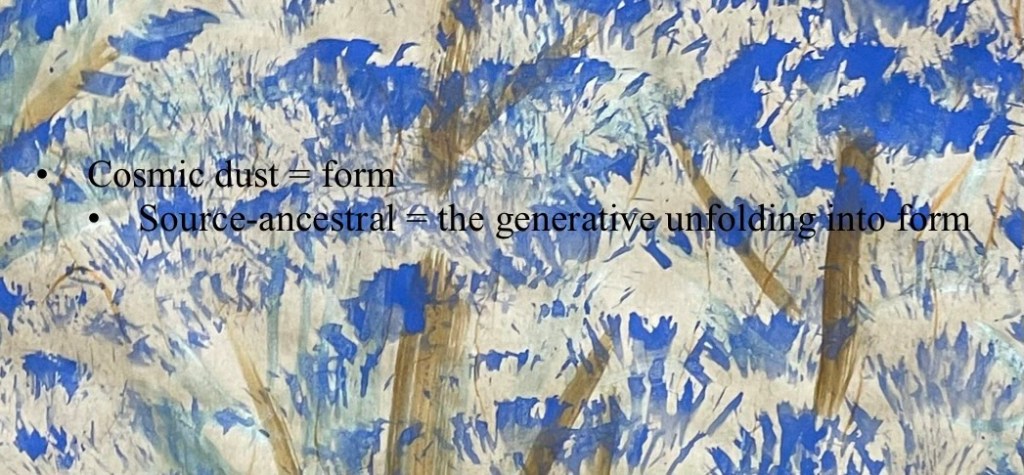
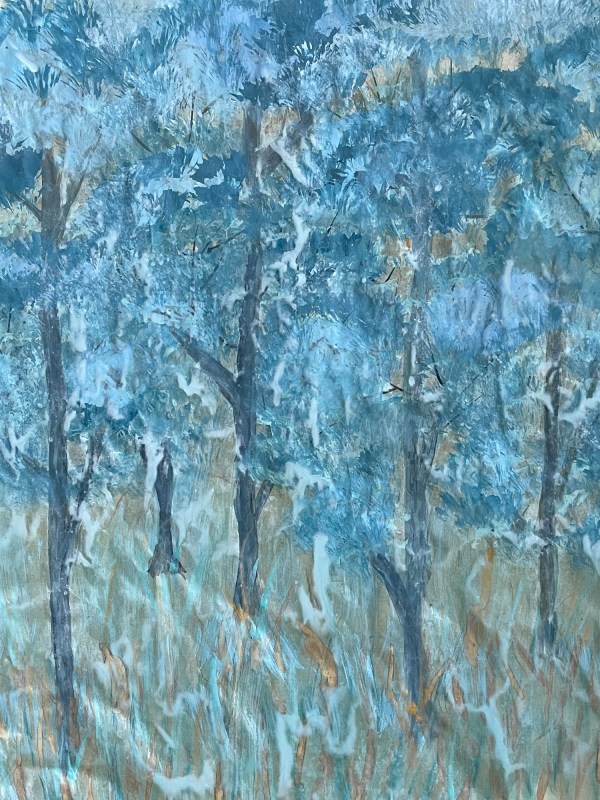
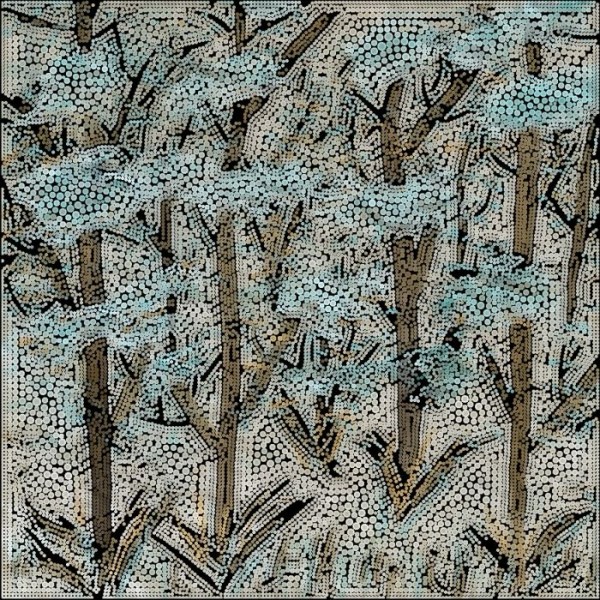
Here is an analysis of the above painting, using three different lenses to focus on different viewpoints, to give a 360 degree analysis.  The subject matter of the critique includes: truth-tension (Adorno), plastic vitality (Hofmann), and ontological presence (Hinton). Each reveals a different dimension of what is already occurring in this work.

I. For Adorno, the artwork’s truth resides not in harmony, but in its refusal to reconcile contradictions. The painting embodies this refusal.

1. Non-identity and resistance to conceptual capture

This is recognizably a grove or forest canopy, yet it refuses total mimetic “landscape.” The trunks dissolve into strokes, and the canopy becomes a variable field of layered marks. The image oscillates between:

• representation (trees, foliage)

• and autonomous painterly material (pigment, gesture, surface)

This oscillation is essential. Adorno argued that authentic art preserves the non-identical—that which resists being reduced to a concept. I am not depicting trees, nor attempting to have this be an illustration of trees. They are presences emerging from matter itself.

The vertical strokes especially resist descriptive closure. They are not fully trunks; they are traces of emergence.

2. Sedimentation and historical memory in matter

The layered greens, ochres, and blues feel accumulated rather than applied. Adorno called this sedimentation—history embedded in form.

The work does not present nature as idyllic unity for easy consumption.  Instead, it shows nature as fractured, layered, and temporally dense. The dry, earthen substrate asserting itself through the paint prevents illusionistic escape. The painting refuses to let us forget its material truth.

Nature here is not consumed as image—it remains resistant.

3. Truth through restraint rather than expressionism

Adorno distrusted purely expressive gesturalism when it became cliché. the quiet layering, the absence of dramatic gestural assertion— these aspects show restraint and preserves the authenticity and autonomy of the painting.

This is not a painting of emotional discharge. It is a painting of attention.

Truth emerges not through intensity, but through its creation in a layered process.  The viewer can see this process to state a fidelity to process.

II. Hans Hofmann: Push–pull and the life of pictorial space

Hofmann would immediately recognize this work as spatially alive—not through perspective, but through relational color forces.

1. Push–pull through chromatic opposition Brings forth the dynamic interplay of colors; Warm yellow-greens advance, Cool blue-greens recede, Pale blue verticals advance suddenly against darker ground

2, Space expands and contracts continuously.

This creates what Hofmann called plastic reality—space generated through color relationships rather than illusionistic depth.

III. Hinton, drawing on Chan/Daoist ontology, would see this painting not as depiction but as event—a moment of reality emerging into visibility.

1.Form arising from emptiness

Notice how the forms emerge from the raw ground rather than covering it. The substrate remains visible and active.

This corresponds to Hinton’s idea that reality is not constructed, but revealed through attentive presence.

The painting does not impose order, the order emerges. 

2. The trees breathe.

Hinton writes of landscapes not as objects, but as manifestations of ongoing process. The painting captures this immersion of cosmology.  Hinton would argue that the painting is in tune with the qi, where qi is not fixed, but everything is becoming. 

From these three perspectives, I contend the following Synthesis:

• Adorno: The painting preserves truth through unresolved material tension.

• Hofmann: The painting lives through relational color forces generating autonomous space.

• Hinton: The painting allows the cosmic reality to emerge without conceptual imposition.

The painting exists in a state of quiet autonomy and authenticity.

It neither dramatizes nor illustrates.

It reveals.

Synopsis of THE CREATION OF PATRIARCHY by Gerda Lerner, 1986. Oxford University Press

In the Creation of Patriarchy (1986), Gerda Lerner provides a foundational feminist historical analysis that challenges the idea that male dominance is “natural” or biological. Instead, she argues that patriarchy is a historical construct—something created by humans over nearly 2,500 years (roughly 3100 B.C.E. to 600 B.C.E.) in the Ancient Near East.  

Core Synopsis

Lerner traces the shift from egalitarian tribal societies to the formation of Mesopotamian states. She argues that the subordination of women actually predates the formation of the State, private property and class society.

According to Lerner, the “domestication” of women was the very first form of hierarchy. By controlling women’s reproductive capacity, men established a template for the later enslavement of other humans.  

Major Themes

1. The Commodification of Women’s Sexuality

Lerner identifies the exchange of women between tribes as the origin of the patriarchal system. Before men owned land or slaves, they “owned” the reproductive potential of women. Women were traded to cement alliances, making their bodies the first form of private property.  

2. The Development of the “Double Standard”

As states formed, legal codes (like the Code of Hammurabi) began to formalize the control of women.  

• The Veil: Lerner highlights how veiling was used to distinguish “respectable” women (protected by a specific man) from “unattached” women or slaves.

• Legality: Adultery became a property crime against the husband, rather than a moral failing.

3. The Shift from Goddesses to One God

A major turning point in Lerner’s thesis is the symbolic “dethroning” of the Mother Goddess.  

• Early societies often worshipped female deities associated with fertility/birth, relationship to the flora and fauna, transformation, cycles in tune with Mother Earth, and creation.  

• The rise of monotheism and the Abrahamic religions replaced these figures with a single, male God.  

• This transition effectively removed women from the realm of the Divine, making their subordination appear divinely ordained.

4. Class as a Gendered Experience

Lerner argues that class is not experienced the same way by men and women.

• Men gain status through their relationship to the means of production (their work/wealth).  

• Women historically gained status through their relationship to a man (father or husband).

5. The “Internalization” of Inferiority

Perhaps her most poignant theme is how women became complicit in the system. Because women were denied education and history, they lacked the tools to conceptualize their own oppression. They were offered “protection” in exchange for subordination, a bargain that kept the system stable for millennia.

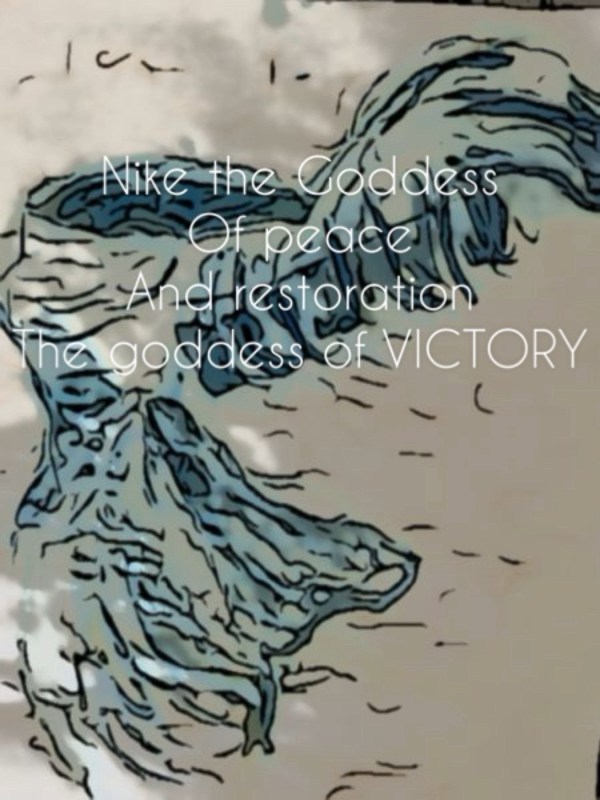
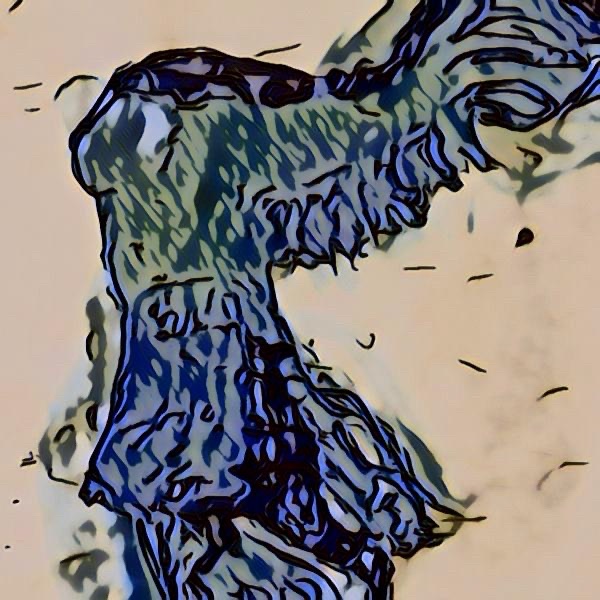
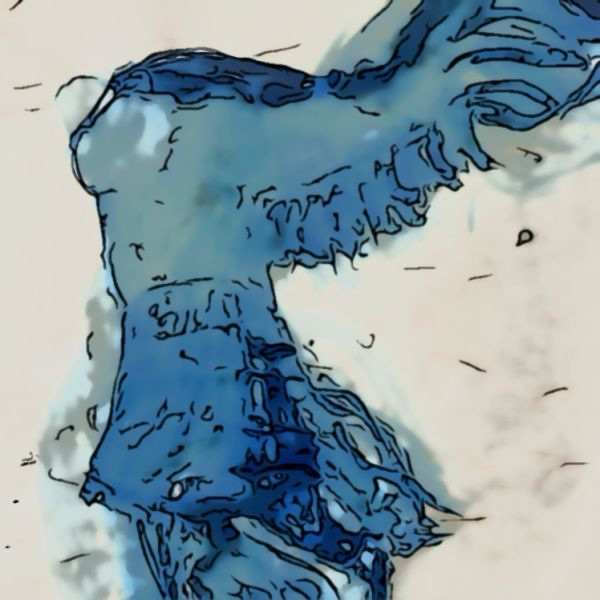
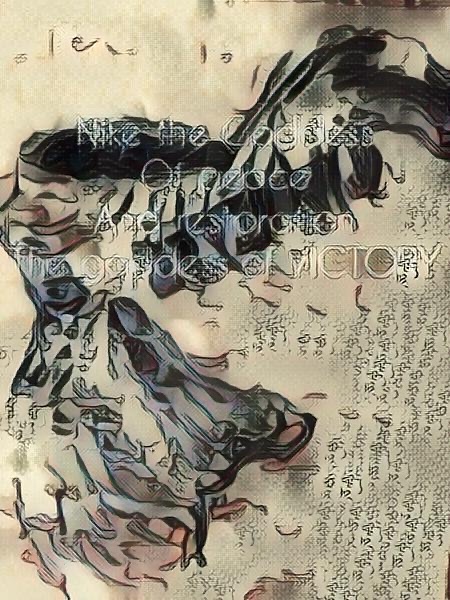
Nike, Goddess of Victory

Nike before patriarchy: victory as alignment, not domination

In a pre-patriarchal cosmology, Nike is not a goddess of conquest. She is a threshold force—the felt moment when right action comes into harmony with the living order of the world.

Her origin through Styx, an ancient chthonic river, places Nike in the realm of deep law, not male command. Styx is older than Olympian rule; she embodies binding truth, consequence, and continuity. Victory, here, is not taken—it emerges when action respects these deep structures.

Nike’s power is therefore relational, not hierarchical.

Victory as balance and completion

Before patriarchal war gods redefine success as domination, victory meant:

• Survival of the community

• Skillful cooperation

• Completion of a cycle

• Restoration of balance after effort

Nike appears at the moment of resolution, when tension releases into coherence. She does not preside over endless striving. She marks the end of struggle, the return to equilibrium.

This aligns her with agricultural and seasonal cycles:

Sowing, tending, harvesting

Victory is the harvest—not conquest of the field, but participation in its rhythms.

Synopsis of and Excerpts from: Noopiming, The Cure for White Ladies by Leanne Betasamosake Simpson 

Noopiming (Anishinaabemowin for “in the bush”) is a novel-poem hybrid that resists traditional Western storytelling and brings forth Anishinaabe perspectives, language, and relational worldviews. Rather than following a conventional format, the book unfolds through poetic fragments and interconnected voices that together become a meditation on identity, land, community, and colonial/ Western and patriarchal encounter.  

At the heart of the book is Mashkawaji — a narrator who lies frozen in ice and reflects on memory, disconnection, and transformation. From this suspended place, Mashkawaji introduces a chorus of seven characters, each of whom embodies a different part of themself:

• Akiwenzii (their will)

• Ninaatig (their lungs, embodied as a maple tree)

• Mindimooyenh (their conscience)

• Sabe (their marrow)

• Adik (their nervous system, a caribou)

• Asin (their eyes and ears)

• Lucy (their brain)  

These beings — part human, part nonhuman — strive to engage with both the unnatural settler world (full of things like branded coffee mugs and disposable consumer goods) and the natural world that is increasingly constrained by hierarchical property systems. 

One theme is how separation from land and relational ways of knowing alienates us from deep parts of ourselves.  

The narrative responds to and challenges settler literature, especially Susanna Moodie’s 19th-century memoir Roughing It in the Bush. The author, Leanne Betasamosake Simpson, reclaims the term Noopiming and in this book expresses what it means to be in the bush from an Indigenous standpoint — alive with spirits, ancestors, kin, land, and reciprocal relations rather than wilderness to be conquered.  

This book is a mosaic of moments — humorous, lyrical, political, and reflective — a relational field of healing, resistance, and reimagined futures grounded in Anishinaabe cosmologies and lived experience.  

Excerpts from Noopiming, the cure for white ladies.

…..trust replaces critique, examination and interrogation.

even though their truths are their own, not mine. 

The tenderness is gone, only relentless irritation remains, and staying becomes another word for love. 

Mindimooyenh says: “We live in an ecosystem of hurt.”

There are two parts to Asin. The defence and the heart: don’t get tripped up by the defence.

“If it is a performance, the spirits refuse to show up. You guys are so full of shit you don’t even notice.”

….pretty fucked for the humans, to be honest. The white ones who think they are the only ones have really structured the fucked-up-ed-ness in a seemingly impenetrable way this time. A few good ones get their footing, and then without continual cheerleading, succumb to the shit talk. It is difficult to know where to intervene or how to start. There are embers, but the wood is always wet and the flames go out so damn easy.

Akiwenzii is tired. Tired of acting like they are too old to be scared. Tired of acting like they are too old to care what they look like. Tired of acting like life experience has made them wise. Tired of being positive and having faith in the young people. Tired of the way what is most dear to them gets deployed and misused and performed. Tired of putting a happy goddamn spin on the end of the world.

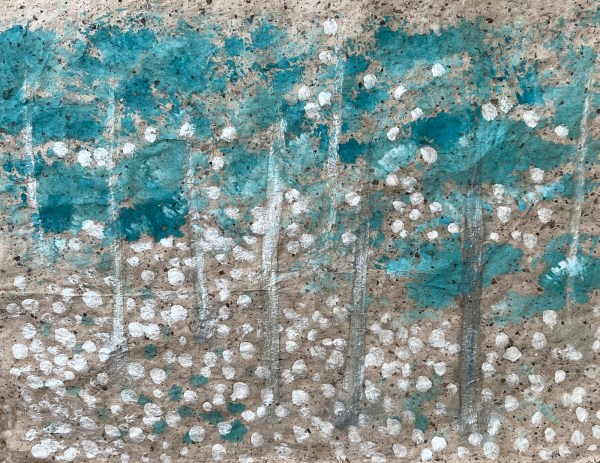
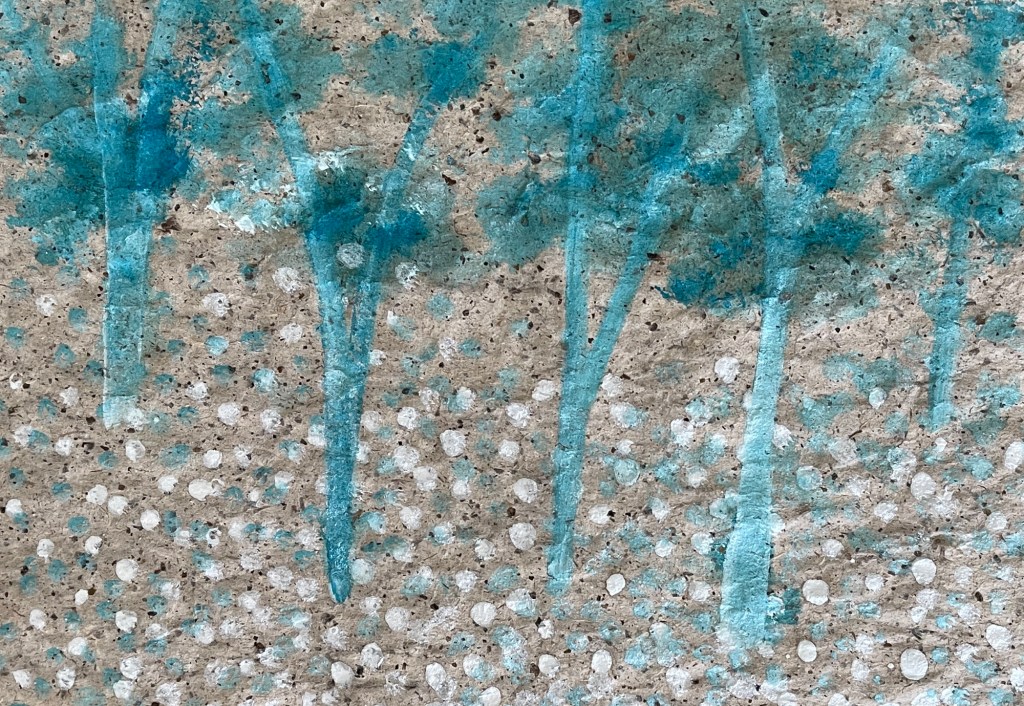
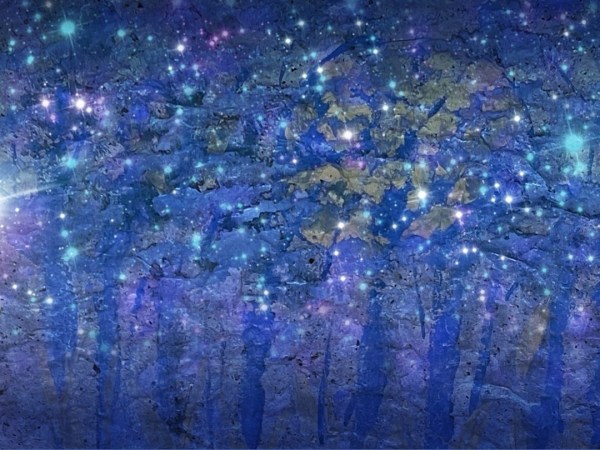
Howling at the Beaver Moon in the swamp Series

From The Guardian 11/07/25

The justice department’s pardon attorney, who was recently fired, has claimed on social media that Donald Trump’s recent wave of pardoning white-collar criminals has erased more than “$1bn in debts owed by wealthy Americans” to the public purse.

Also from the GUARDIAN 11/07/25

CORPORATE CAPTURE OF THE GLOBAL CLIMATE CONTROL PROCESS

More than 5,000 fossil fuel lobbyists were given access to the UN climate summits over the past four years, a period marked by a rise in catastrophic extreme weather, inadequate climate action and record oil and gas expansion, new research reveals.

Lobbyists representing the interests of the oil, gas and coal industries – which are mostly responsible for climate breakdown – have been allowed to participate in the annual climate negotiations where states are meant to come in good faith and commit to ambitious policies to reduce greenhouse gas emissions.

The roughly 5,350 lobbyists mingling with world leaders and climate negotiators in recent years worked for at least 859 fossil fuel organizations including trade groups, foundations and 180 oil, gas and coal companies involved in every part of the supply chain from exploration and production to distribution and equipment, research shared exclusively with the Guardian has found.

Just 90 of the fossil fuel corporations that sent lobbyists to climate talks between 2021 and 2024 accounted for more than half (57%) of all the oil and gas produced last year, according to the analysis by Kick Big Polluters Out (KBPO), a coalition of 450 organizations campaigning to stop the fossil fuel industry blocking and delaying global climate action.

This information clearly exposes corporate capture of the global climate process … the space that should be about science and the people has been transformed into a large carbon business hall,” said Adilson Vieira, spokesperson for the Amazonian Work Group. “While forest communities fight for survival, the same companies that cause climate collapse buy credentials and political influence to continue expanding their fossil empires.”

“Not only are Indigenous peoples on the frontlines of their extractive sites suffering human rights violations, but we also face the brunt of climate chaos on our lands with worsening floods, wildfires, and extreme heat waves. We need to take down the ‘for sale’ sign on Mother Earth and bar entry to Cop for oil and gas lobbyists,” said Brenna Yellowthunder, lead coordinator for the Indigenous Environmental Network, a member of KBPO.

Art is the place where meaning gathers, but never settles.

A surface trembling with something more—not to be seized, not to be named, only met.

Adorno tells us that the artwork is an enigma,

a presence that leans toward us with a certain need—

inviting interpretation, but never allowing us to claim it.

To interpret is to approach, not to possess.

In this way, the artwork lives the same life as the world itself.

David Hinton, in his writings on the Tao, calls it emptiness as generativity—

the open, ever-unfolding field in which all things arise,

take shape, shimmer briefly in their becoming,

and return again to the vast, breathing silence.

Nothing is fixed.

Everything is emergence.

And so the truth of the artwork is not contained within it

like a jewel hidden in stone.

Its truth opens in the space between:

between the seen and the seer,

the brushstroke and the gaze,

the world and the self that beholds it.

Breath, Light, and Becoming

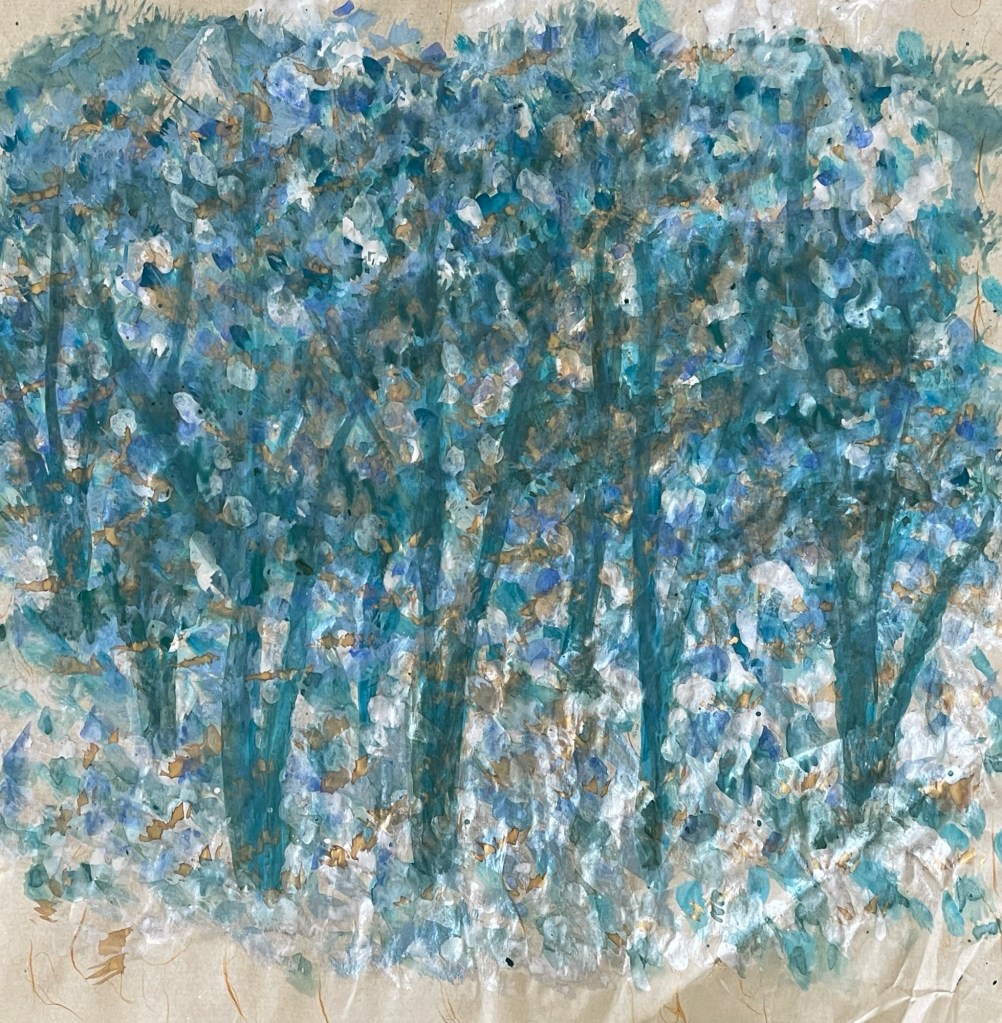
In this work, form and material breathe together. The gesture unfolds through resistance, the brushstroke revealing the enigmas of creation. Spirit is not imposed but arises in tension, the universal made singular, the particular carrying the weight of history. Like Qi, energy flows through matter and consciousness alike, shaping without domination. Like the Shekinah, light, breath, and life-force dwell within, luminous and relational, guiding without command. Here, creation is co-arising: intellect, matter, and spirit intertwined. Each mark, each surface, a moment of becoming—alive, enigmatic, and irreducibly unique.

Blog at WordPress.com.

Up ↑